Welcome to Get Star Weld!

Welcome to Get Star Weld!
11 Feb, 2026
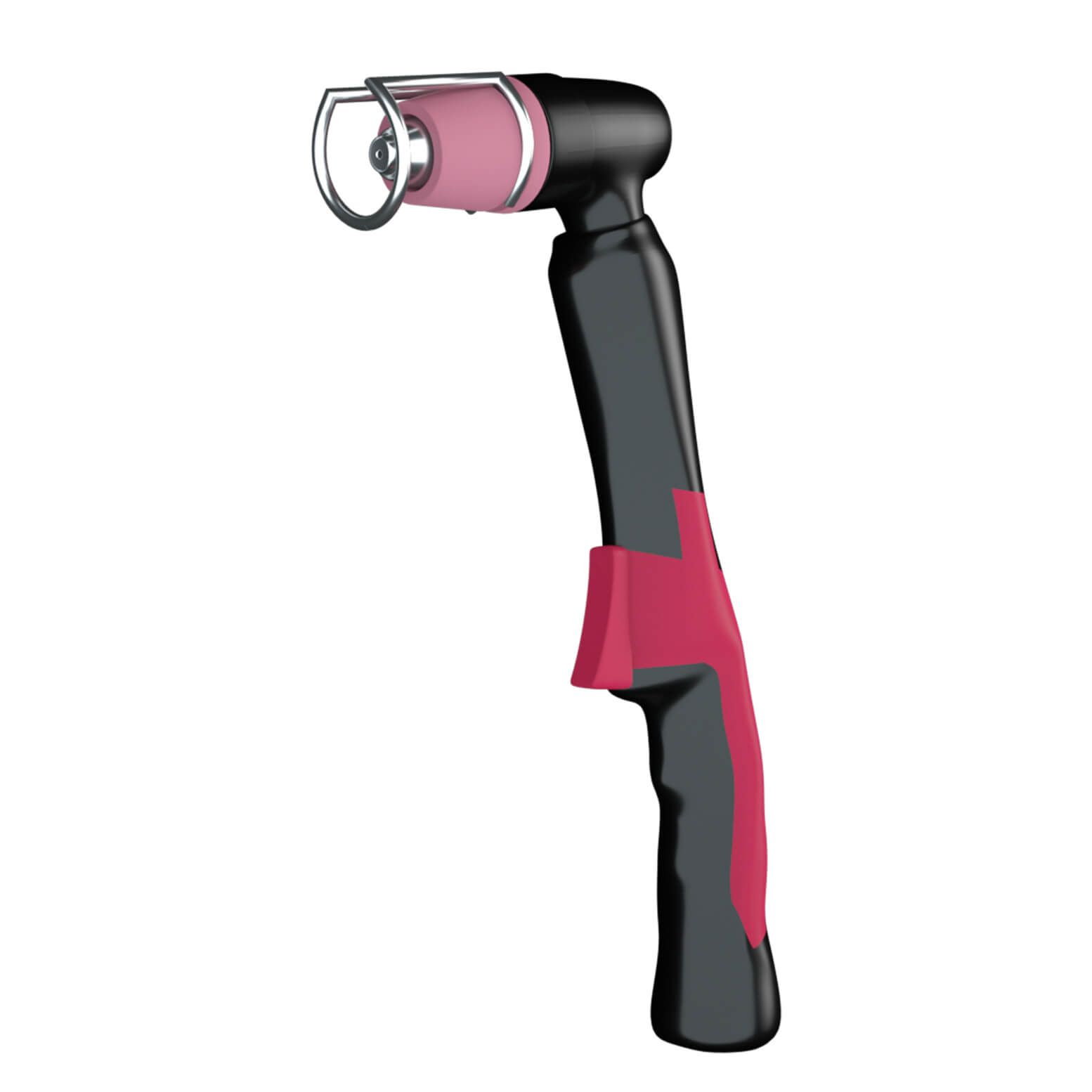
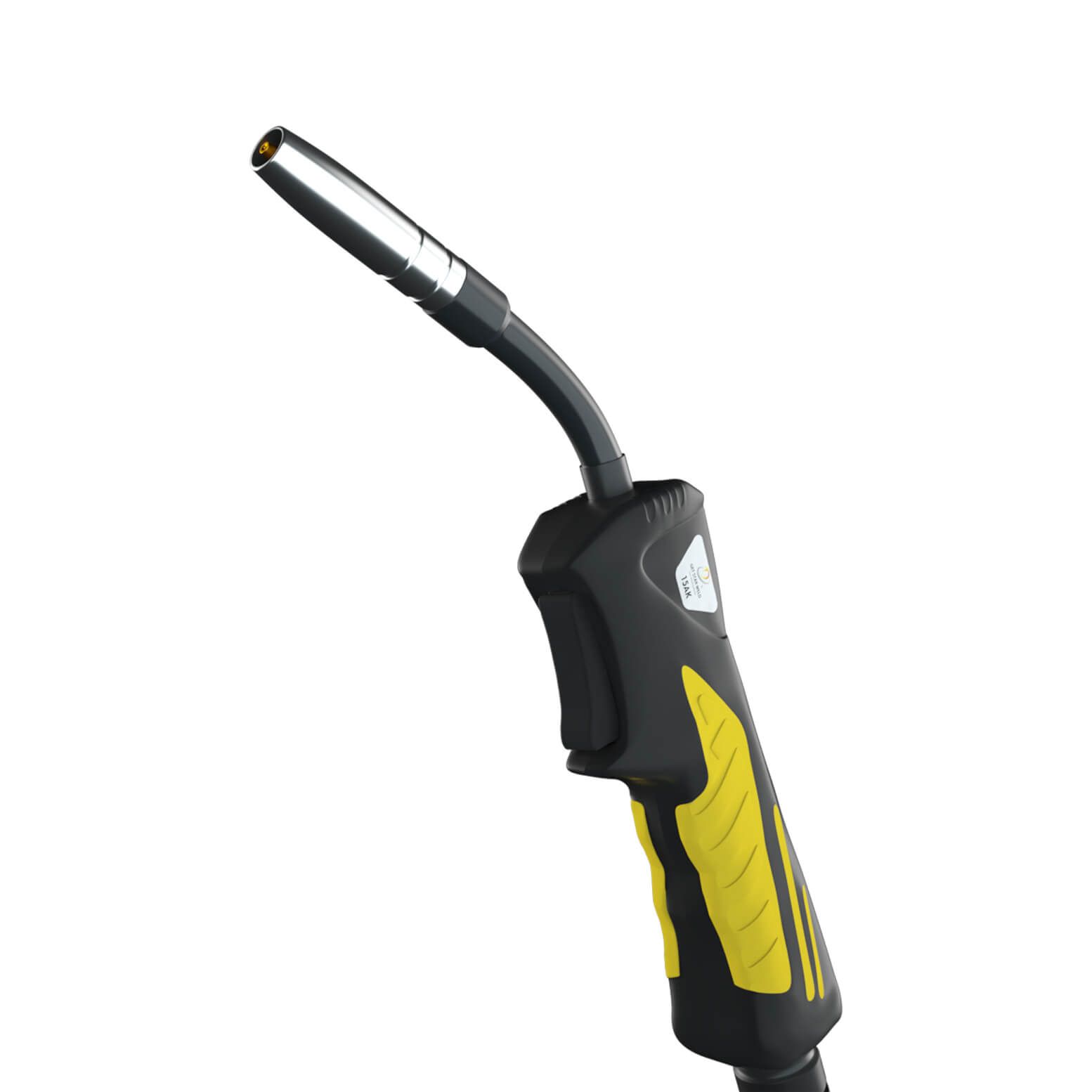
The TIG welding torches are used in a variety of applications such as automotive welding as well as aerospace welding. The type of TIG welding torch you select may greatly influence your welding, comfort and efficiency. We are going to discuss the primary categories of TIG torches in this guide, identify the differences between them, and present professional recommendations on how to choose the ideal torch to use in your application.
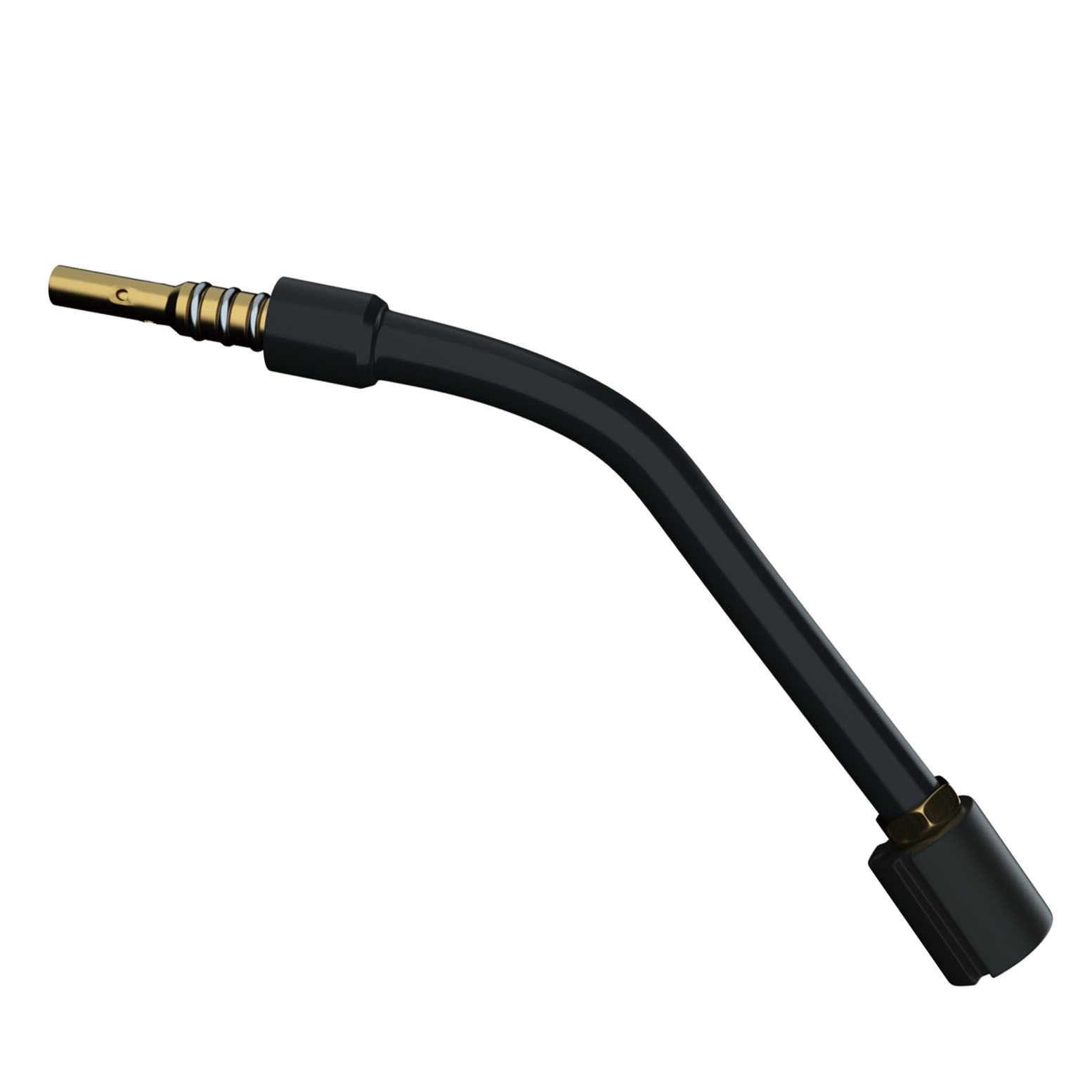
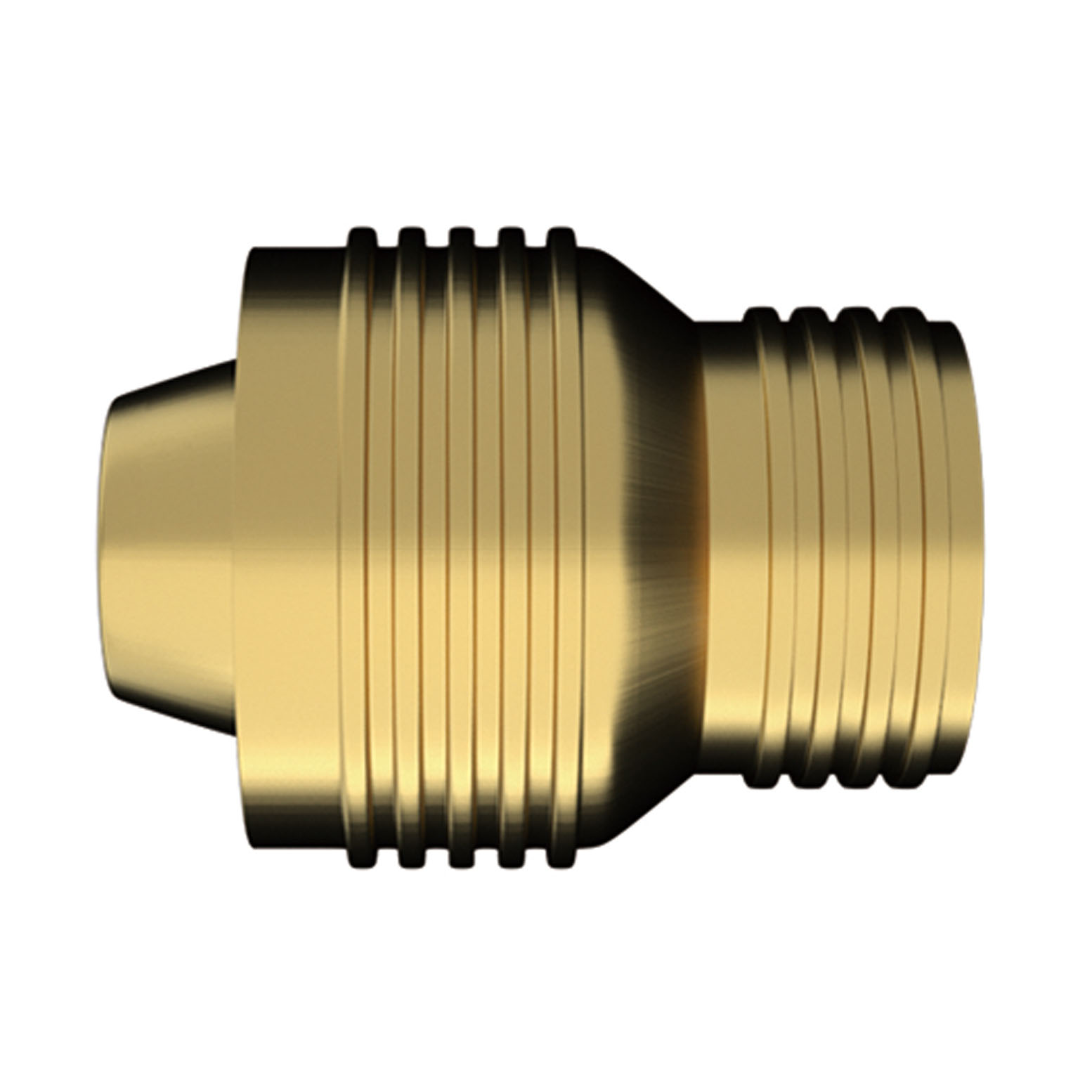
A TIG welding torch is the handheld tool which controls the welding arc and shielding gas to the metal. Its main components include:
Selection of the torch does not only influence the quality of weld; it also influences comfort when doing lengthy welding.
Air-cooled TIG torches are lightweight and easy to use and suitable when doing long periods of welding. They are applicable to low- to medium-application welding with a high degree of longevity. Their benefits include the fact that they are very cheap and easily serviceable. Nevertheless, they may be overheated when serious welding work is undertaken and this restricts their application in high-current welding.
TIG torches that are water-cooled employ circulating water to cool the torch when welding. They are perfect when the welding exercise is heavy current and industrial where the welding work will be long and continuous. These torches generate less heat and can perform heavy-duty jobs more effectively, but they are heavier, more costly and will need some regular maintenance to ensure that the cooling system is functioning properly.
Manual TIG torches entail the welding machine to regulate the flow of the gas. Valve TIG torches on the other hand allow the welder to directly regulate the gas through the handle of the torch. Hand torches are simpler and cheaper, whereas valve torches are more precise and controlled and are used in finer welding.
Fixed head TIG torches are stiff and are recommended at normal welding angles. Flexible head TIG torches are flexible and can be bent and adjusted in order to access hard to reach areas. Flexible heads enhance comfortability and enable the welders to work more effectively in complicated projects.
When choosing a TIG torch, consider:
TIG torches are either water-cooled or air-cooled. Air-cooled torches are easier and lightweight and are useful in low to medium current activities, whereas water-cooled torches are able to manage heat and are useful in high-current or prolonged welding.
Comfort and control is influenced by the weight of a torch. A lighter torch will be easier to work with on a long job and less tiring to the operator whereas heavier torches such as water-cooled may be harder to handle on long jobs but are more robust in heavy work.
The duty cycle shows the duration of usage of a torch before overheating. The duty cycle of a torch is important to ensure you can weld continuously without interruptions or torch damage.
The precision of welding depends on how you manage gas flow and currents. Torches that are more controlled will create a more convenient and stable arc that is particularly beneficial when narrow or precise welding is required.
Different TIG torches are compatible with specific tungsten electrodes. To ensure the best performance and quality welding, you should ensure that the electrode fits your welding machine and which type of current (AC or DC) to use.
Selecting the right TIG torch involves several key considerations:
Your choice of torch depends on the type and thickness of the metal. As an illustration, welding of aluminum typically requires AC and a water-cooled torch to help in heat control.
Ensure that the torch is of the same power as your welding machine, be it AC, DC, or both. The misapplication of the wrong torch may impact on the performance and safety.
A light torch that has a good grip will help lessen fatigue, particularly when welding is to be done over extended periods. Precision and ease of use are of concern to ergonomics.
Take into account the duration of continuous welding. The work involving high-volume or industrial usage frequently needs water-cooled torches with extended duty cycles to avoid overheating.
Trade off between price and quality and reliability. A cheap torch might cost less in the short run but might die out easily whereas an investment in a good torch will be rewarded in terms of performance and durability.
Select the brand of the torches as well-established such as Lincoln Electric or Miller. Reliability of the brands means that they will perform consistently, and the spare parts and support will be readily available.
A TIG torch should be well maintained to perform optimally and last long. Periodically clean and examine consumables such as collets, nozzles and electrodes and clean the torch after each use to avoid build-up.
Keep the torch in a dry place because it will be prone to corrosion, and it is also important to follow safety standards whenever changing parts. Such basic maintenance guarantees improved performance, reduced-incidence welding and increased durability.
One common mistake is using an air-cooled torch for heavy-duty welding, which can cause overheating. The other one is neglecting the process of ergonomics, which may lead to fatigue at lengthy periods of welding.
The duty cycle of the torch is also something that should not be neglected because when it is surpassed it ruins the equipment. Lastly, it is always best to match the type of electrodes and gas to sustain good performance and safety.
Selecting an appropriate TIG welding torch is a key to obtaining clean, sharp and efficient welds. Regardless of whether welding aluminum, stainless steel, or mild steel, it is worth knowing the type of torches, differences, and ergonomics to save time and achieve better outcomes. We suggest that in Get Star Weld, investment in good-quality torches will be done to achieve the best outcome of safety, durability and professional skills in welding.
Q1: What is the best TIG torch for beginners?
An air-cooled, lightweight manual torch is ideal for learning.
Q2: Can I use an air-cooled torch for heavy-duty welding?
Air-cooled torches can overheat in high-current applications; water-cooled torches are better.
Q3: How long does a TIG torch last?
With proper maintenance, a torch can last several years; consumables may need replacement sooner
Lorem ipsum dolor sit amet, consectetur adipiscing elit. Suspendisse viverra mauris eget tortor.